Showing posts with label Adler Tours and Safaris. Show all posts

Monday, January 4, 2016

...or ‘welcome to our city’ exemplifies the spirit of Jodhpur — a canvas of Rajasthani culture
Ever thought the colour used by locals to paint their homes — in a bid to ward off insects —would become synonymous with the city? In the past, Jodhpur suffered from a major termite problem —so the residents started adding copper sulphate to their whitewashes, which lent the city its pristine blue-indigo hue. The Blue City is really blue!
Modem Jodhpur stretches well beyond the city walls, but it’s within the walled city that you find the Rajasthan of your imagination - the hustle-bustle, the colours, and the larger-than-life Mehrangarh Fort At the base of the mighty fort is a jumble of blue cubes that stretches out to the 10 km-long, 16th-century city wall. Inside are vibrant, entangled and bustling medieval streets — all of which never seem to lead where you want them to... The shops sell everything from vintage home decor items and temple decorations to colourful clothes and accessories. The colourful rickshaws here are super slim since they have to squeeze through the narrow streets. They make for a great travel option.


RAJPUTANA SPLENDOUR
The colossal and grand Mehrangarh Fort, which rises 400 sq ft above the city, looks nothing less than a page out of a fairy tale. The imprint of Jodhpur’s erstwhile royal family, built by Maharaja Jaswant Singh in the 17th century, it is the defining feature of this otherwise low-rise landscape. If you aren’t visiting Jodhpur in winter, make sure you reach the fort early to skip the midday sun. You don’t need a ticket to enter the fort; only the muse um section requires one. Packed with history, Mehran- garh Fort houses one of the best- kept collections of regal parapherna lia in the country. What you see is a mag nificent collection of silver elephant how dahs, gilded palanquins, carved ivory, weapons inlaid with gold and jewels, rare pieces of textile, and some of the world’s finest miniature paintings. You’ll be amazed to see elaborate cradles of infant princes and the extensive zenana (where maharanis lived) with dainty filigree win dows. Make sure to hire a guide to take you through the palatial labyrinth, great hall ways and long corridors and hear fascinating stories about the heroism of the leg endary Rajput warriors of Marwar. You can also consider spending the afternoon in its small cafe, sipping chilled beer or wine, lounge under shady trees reading a book or simply enjoy the spectacular views of the city. There are some curio shops too; you can take back valuable merchandise like a Jodhpuri earring or a maharaja pen as memento. For adventur seekers, there’s the flying fox zip- 1 line tour, which runs below the fort.

When in Jodhpur, a visit to Umaid Bhavan is a must. If your budget doesn’t permit you to stay there, go for dinner or drinks at its scenic restuarant where the verandah of fers a lavish view of the palace gardens. Indulge in some Rajasthani delicacies (ker sangri and laal maas) generously spread on silver platters. Visitors aren’t admitted dur ing all seasons, so call in advance to make a reservation. Again, casual visitors are not allowed inside the palace as the current royal bearer Gaj Singh II still lives in the premises. But you can certainly visit the museum by paying a nominal entry free. Pictures of artistic palace interiors, a collection of antique clocks and the maharaja’s vintage cars are eye-catching.

ALL THINGS ETHNIC
You’ll find steps leading to the marketplace all around the Ghanta Ghar. The area somehow creates an aura that is hard to resist. Though loud, dusty and a tad dirty, the bylanes sell wares, spices, metal bangles, Jodhpun jootis, Rajasthani turbans, and loads of mithais and snacky items you can munch on during a shopping spree. The city is popularly known for its antique fur niture emporiums. There are a few near Ghanta Ghar too. If you love investing in retro, unique home decor pieces and fur nishings in Indian prints, it’s impossible to leave empty-handed. From coloured-glass lanterns and vintage posters to jaali-work wooden frames and quirky painted metal trunks, you’ll find them all. As a souvenhi you can pick a signature Jodhpuri re versible block-print quilt that is known to have a cooling effect in summer and acts as an insulator against the cold in the harsh winter cold.
Village Market, Jodhpur

FESTIVAL ALERT!
Lose yourself to the sacred sounds and dance performances by the best artiste line-up from across the globe at Mehrangarh Fort that is lit by the sparkling incandescence of a thousand candles.
World Sacred Spirit Festival (Feb 26-27, 2016); Flamenco & Gypsy Festival (Mar 18-20, 2016)
MUST-EAT
Your trip would be incomplete if you leave Jodhpur without biting into the fiery mirchi vadas (king-size green chili stuffed with spicy potato filling, dipped in gram flour batter and fried), kachoris and makhaniya lass!. The busy area around the Clock Tower market has a number of street stalls offering freshly-fried versions of the eatables. Try Janta Sweet Home at Na! Sarak, a favourite among the locals.


Friday, May 30, 2014

The Best of Tanzania

tanzania

From the snow-capped summit of Mount Kilimanjaro to the game-rich Ngorongoro Crater, from the endless plains of the Serengeti to the baobabs of the Tarangire, Tanzania is the safari insider's hot tip. Boasting 14 national parks and numerous game reserves, this is home to the largest wildlife herds on the African continent, as well as the palm-fringed island of Zanzibar, ideal for post-safari relaxation.  Many people do not realize that the famous Wildebeest Migration is in Tanzania for 8 months a year, giving birth around February and crossing the Grumeti River in June.

The Serengeti & the Ngorongoro Crater


SERENGETI NATIONAL PARK

lion
Tanzania's oldest and most popular national park, also a world heritage site and recently proclaimed a 7th world wide wonder, the Serengeti is famed for its annual migration, when some six million hooves pound the open plains, as more than 200,000 zebra and 300,000 Thomson's gazelle join the wildebeest’s trek for fresh grazing. Yet even when the migration is quiet, the Serengeti offers arguably the most scintillating game-viewing in Africa: great herds of buffalo, smaller groups of elephant and giraffe, and thousands upon thousands of eland, topi, kongoni, impala and Grant’s gazelle.

The spectacle of predator versus prey dominates Tanzania’s greatest park. Golden-maned lion prides feast on the abundance of plain grazers. Solitary leopards haunt the acacia trees lining the Seronera River, while a high density of cheetahs prowls the southeastern plains. Almost uniquely, all three African jackal species occur here, alongside the spotted hyena and a host of more elusive small predators, ranging from the insectivorous aardwolf to the beautiful serval cat.

But there is more to Serengeti than large mammals. Gaudy agama lizards and rock hyraxes scuffle around the surfaces of the park’s isolated granite koppies. A full 100 varieties of dung beetle have been recorded, as have 500-plus bird species, ranging from the outsized ostrich and bizarre secretary bird of the open grassland, to the black eagles that soar effortlessly above the Lobo Hills.
As enduring as the game-viewing is the liberating sense of space that characteristics the Serengeti Plains, stretching across sunburnt savannah to a shimmering golden horizon at the end of the earth. Yet, after the rains, this golden expanse of grass is transformed into an endless green carpet flecked with wildflowers. And there are also wooded hills and towering termite mounds, rivers lined with fig trees and acacia woodland stained orange by dust.

NGORONGORO CRATER

elephant
A trip to Northern Tanzania has to include the Ngorongoro, it is an exceptional place to interact with the Masaai and is one of the most beautiful natural wildlife safari sites in the world.

The advantage of staying at a hotel on the Crater rim is the view, the advantage of staying away from the Crater at nearby Karatu is that there are less people around, the lodges are smaller and more personal offering a range of activities such as walking and mountain biking.

 The Ngorongoro Crater and surrounding highlands are one of Africa's most beautiful regions.  Volcanic craters form stunning backdrops to some of the richest grazing grounds in Africa.  The most famous is without question the Ngorongoro Crater, the world’s largest intact volcanic caldera; home to the highest density of big game in Africa.  With 600 metre high walls and a rich volcanic floor that plays host to the big five, the Ngorongoro is one of the continent's most famous safari destinations.

The Ngorongoro is the best place in Tanzania to see the big five.  A healthy population of black rhino and some of the largest tusker elephants left in Africa today are the prize spots, but the Crater is home to strong populations of lion, leopard and hyena along with good herds of wildebeest, buffalo and zebra.  Other game in the Ngorongoro includes serval cat, cheetah, jackal, Grant's and Thompson's gazelle, flamingo and bat eared foxes along with approximately 400 species of bird.

We also offer Holiday Packages to Tanzania, Uganda & Rwanda, South Africa & Botswana 

Write to us on adler-tours@hotmail.com or visit www.adler-tours.com 

Thursday, May 29, 2014

Joy In the Rains

Monsoons In Maharashtra

A Rain Rendezvous In Kolad, Khandala, Harnai and Lavasa

lavasa
Discover Konkans scenic coastal beaches unique culture and cuisine that is specially lovely in the rains. Monsoon is when the locals love to visit the Sahyadris, when rain brings new life to the region and the water laden clouds hungs so low that you can walk in the clouds. With hundreds of waterfalls mushrooming all over the state, you are transported to a surreal, dreamy world of misty mornings, pleasant afternoons and chilly evenings.

Wake up to the sunrise on a mountain or sea fort and sunsets on a remote beach. Explore the myriad Konkan, its forests, forts and beaches. Go hiking, walking, rafting, segway riding, nature trailing, camping, driving or just watch the rain from your patio.

Experience the best of multiple landscapes in the same trip - Enjoy River, Ocean, Mountains and the Wilderness in the same trip with many ‘unique experiences’ for everybody in the family that makes for a forever memorable experience in Maharashtra Unlimited.
  1. Konkan - In the Middle of the River Kundalika in Kolad at Rivertrail Eco
  2. Konkan - On the Harnai Beach at Lotus Beach Resort
  3. Western Ghats - Overlooking the Valley at The Duke's Retreat in Khandala and Ekaant Resort in Lavasa 
For bookings write to us on adler-tours@hotmail.com or adlertourssafaris6@gmail.com 

Tuesday, May 27, 2014

The City of Lavasa

Nestled a midst the majestic Sahyadri mountains, along the contours of the sprawling Warasgaon Lake, is the planned hill city of Lavasa. Built on the principles of New Urban-ism, its a city where people can live work, learn and play in harmony with nature. 
Where in Lavasa, make sure you 
  • Start the day with a walk along the serene Nature Trails
  • Explore picturesque locules cruising along the city via the Trackless Train
  • Take a photograph from the numerious Viewing Galleries present
  • Jet Ski across the lake at Lake shore Water sports taking in the beauty of the valley 
  • play a veriety of games like Electric Dart Machines, Photo Games & Bowling at the Neospark Games Arcade
  • Discover the city in an eco-friendly way through Robin - A self-balancing joyride ( available at Neospark ) 
  • Go camping at Xthrill Adventure Academy
  • Unwind at the spa at Dasvino Town & Country Club
  • Spend a peaceful evening strolling at the lakeside promenade 
For inquiries / bookings :-
Weddings | MICE | Educational Tours | Summer Special Packages ( April 1st - June 30th ) | Mesmerizing Monsoon Packages ( July 1st - September 30th ) | Festive Fiesta Packages ( October 1st - December 31st ) 
Email us on adler-tours@hotmail.com or visit www.adler-tours.com 

Sunday, May 11, 2014

Colombo, Sri Lanka ( Things not to miss out for !! )

For Packages write us on adler-tours@hotmail.com or visit us athttp://www.adler-tours.com

Getting There

Colombo, situated one hour’s drive south of the Bandaranaike International Airport, is the largest metropolis on the island, stretching about 12 km along the coast from its southern beach suburb of Mount Lavinia to the Fort and inland to Kelaniya.  The city's main roadway, Galle Road, is the main road south to the city of Galle and beyond.  This makes Colombo a convenient resting point at the start or the end of your holiday.  The best way to reach the town from the airport remains a private taxi. Useful drive times include:  Colombo to Bentota (2 hours); Colombo to Galle (3.5 hours); Colombo to Kandy (3.5 hours); Colombo to Dambulla (4 hours). 

Historical Background

Colombo is the commercial capital of Sri Lanka and lies alongside the present administrative capital, Sri Jayawardenepura, Kotte. Colombo’s port was influential as early as the 5th century when ships from Rome, Arabia, and China traded with Sinhalese kings for food supplies, spices and jewels. Colombo’s destiny changed over the centuries as many nations fought for dominance over the island’s valuable treasures including Arab settlers in the 8th century, followed by the Portuguese, the Dutch and, finally, the British who captured Colombo in 1796. This era of western domination ended peacefully with independence in 1948, followed by a separatist war fought by the LTTE (Liberation Tigers of Tamil Eelam) that lasted over two and a half decades, the affects of which were felt through out the country. Terrorism was eradicated from the Sri Lanka in May 2009 and peace continues to rain on the island once more. Through out it all, the city of Colombo has remained stable and comparatively safe and today’s two million population in the city represents a mix of cultures. Sinhalese, Moors, Tamils, Burghers (Dutch descendents), Chinese, and Malay populations all contribute towards the colourful fabric of Colombo society. 

Sights

The city of Colombo is a blend of the old and the new.  Seventeenth century buildings – some restored as hotels, shops, and government offices – stand side-by-side with the rest of Colombo’s modern skyline and rudimentary small shops. Several ancient Buddhist temples, Hindu Kovils, churches, and mosques are found in the heart of the city as well as in the suburbs.  Museums, art galleries, golf courses and gyms, spas and salons, bars, restaurants, and nightclubs, all add to Colombo’s appeal.   

Accommodation

Colombo offers a wide range of accommodation options from the five-star city hotels expected in an Asian capital to a clutch of interesting boutique hotels. There are mid-range city hotels, too, although the great value of the top-end hotels makes it hard for them to compete. There is a shortage of quality guesthouse accommodation in the centre of town. On the outskirts of the centre a couple of villas make a welcome change from standard hotels. The best city hotel is arguably Cinnamon Grand, reinvigorated by the John Keells Group. Their selection of restaurants is unrivalled. Trans Asia and the Hilton trail only marginally behind. Ceylon Continental, a friendly if more limited five-star on the seafront, offers outstanding value. The Galle Face Hotel, which now has a boutique-wing called The Regency, is the favourite for those wanting some colonial charm and a seaside location. Consider Colombo City Hotel as a simple, modern budget choice. If you are after a beach, though, Mount Lavinia Hotel is the only option. The boutique selection includes the stylish Tintagel, opened in 2008, Park Street Hotel run by the acclaimed Taru Villas Group and the eclectic CASA Colombo. For those looking for a villa ambience on the edge of town, choose form Havelock Place Bungalow, Villa Talangama and Java Moon. Mount Lavinia also offers two appealing houses: Mount Lavinia House and Mount Lodge. 

Food & Drink

Food is a highlight of Colombo, much more so than you might imagine. You won’t go hungry here with its wide selection of small restaurants serving local hawker-style favourites like meat patties, fish buns, egg rolls, string hoppers, lamprais, kothu roti and biryani. All the local restaurants are extremely cheap. There is also a wide variety of fast food outlets, including McDonalds, Pizza Hut and KFC. Colombo is the best place in the island for Indian cuisine and the following are recommended: Agra, Mango Tree and Navaratna. For those looking for fusion or European-style food, there are some very special treats. For the quality of its food, especially its meats, Chesa Suisse, a Swiss restaurant, is outstanding. The most popular dining-out experience is at the Paradise Road Gallery Cafe, the restaurant with the most seductive ambience in the island. The owner of the Gallery Cafe, Shan Fernando, has also now opened Tintagel, a private hotel and restaurant that offers a more refined menu. For a more informal open-air dining experience, the Barefoot Cafe, managed by colourful celebrity chef Kollu, is popular and often has live jazz. The best seafood restaurant in the town is Lagoon at the Cinnamon Grand. The best Thai restaurant is the Royal Thai at Trans Asia. There is a huge selection of Chinese restaurants but we recommend two: No. 168 off the Galle Road, which is an authentic no-frills restaurant popular with the local Chinese community, and the Emperors Wok at the Hilton. If you are searching for authentic Sri Lankan food then choose from the Palmyrah Restaurant at Renuka Hotel, the Peninsula in Rajaigiriya suburbs, Hilton’s Curry Leaf and the iconic Green Cabin Restaurant on Galle Road. Colombo by night can be fun with a scattering of pubs and nighclubs that come alive especially on Friday and Saturday nights and features live bands or DJ music.  H20, D’s, and Zetter are more popular with the younger lot.  Bistro Latino, Rhythm & Blues, The Library at Trans Asia and Sugar located on top of H2O appeal to a more mature crowd.  Characterful pubs include the Breeze Bar and Cheers Pub at Cinnamon Grand, Cricket Club Café,  and Inn on the Green nearby Galle Face in Colombo.

Shopping

From buzzing bazaars to stylish boutique outlets, Colombo is increasingly becoming a popular shopping destination within Asia. Odels is Sri Lanka’s most famous shop, a growing department store in the centre of town.  Western-label clothes are sold at a fraction of overseas prices. Other attractions include homewear stores like Paradise Road, Suriya and Gandhara. Saffron Villas is popular for antique furniture. Barefoot is famous for its handspun and vibrantly-coloured fabrics. There are several good quality jewellers. If you want to get a feel for the trading heart of the city, spend a hectic morning wandering the narrow streets of Pettah Bazaar where you will find anything from steel pots to the latest mobile phones. If you accept anybody’s offer to act as a guide, ensure you know the financial basis upon which this has been offered! 

Events

Colombo’s streets come alive in January for the annual `Duruthu Perahara’ organised by the Kelaniya Temple and again in February for the `Navam Perehara’ organised by the Gangaramaya Temple.  These processions display traditional folklore, music and the rhythmic dance forms.  Dancers, drummers and flag bearers represent the different provinces. Chieftains in traditional attire and scores of elephants dressed in glittering cloaks are all a part of these colourful pageants.  Vel, a Hindu festival that pays homage to Lord Murakan, takes place in July or August where an ornately decorated Vel chariot, drawn by a pair of snow-white bulls carrying the statue of Lord Murukan, parades the streets of Colombo.  The chariot moves slowly while the drums throb, the bells tinkle, the Tanjore band plays and a "Bajan" gathering singing divine songs follow the chariot.  The arts, sadly, remain largely inactive. The most popular event in Colombo’s art calendar is the Kala Pola (art fair) held in February which sees the shady sidewalks along Green Path filled with the creative works of local artists. Activities 

Colonial architecture of Fort & Pettah

1
Colombo’s three-mile long rampart, cordoning off the area covered by today’s Fort and Pettah, was originally built in the sixteenth century by the Portuguese and then further developed by the Dutch and the British. Today, it is the commercial hub of the country, consisting of government offices, banks, five-star hotels and the country’s largest wholesale bazaar, which sells a huge range of items. In the Fort many of the old colonial buildings still stand alongside a slowly modernizing skyline. 

Geoffrey Bawa Architecture

2
The late Geoffrey Bawa, Sri Lanka’s most influential architect, was responsible for linking the ancient architecture of this island with that of the modern world. Sri Lanka’s Parliament, which Bawa was commissioned to design, was created in the centre of a vast man-made lake. The building incorporates traditional Sri Lankan and South Indian architectural features with a series of pavilions with copper roofs. We also recommend a visit to the Paradise Road Gallery Café, formerly the studio of Geoffrey Bawa. His imprint still remains strong here with courtyards, ponds, walkways and open pavilions – spaces that inspired a creative genius. 

Art Galleries

3
Permanent collections & temporary art exhibits of Sri Lankan artists are held regularly at the National Art Gallery, Sapumal Foundation, the Lionel Wendt, Barefoot Art Gallery and Paradise Road Gallery Café. 


Music & theatre

4
Classical to contemporary forms of music in Sinhala, Tamil and English by local as well as foreign artists is available on CD at various music outlets in Colombo including ODEL, Barefoot, and Torana at Majestic City. Live performances featuring local jazz, pop, and folkrock artists take place at Rhythm & Blues, Barefoot or on a Sunday at the SSC club in Colombo 7. English theatre is limited, but there are occasional local productions that are interesting and usually take place at the Bishop’s College and British School auditoriums or the Lionel Wendt. 

The National Museum

5
Colombo’s National Museum, established in 1877, is housed in an impressive colonial building in the heart of the city surrounded by extensive gardens. The museum comprises several galleries dedicated to Sri Lanka’s history and cultural heritage, literature, coins, rock sculptures from the ancient cities, period furniture, artistic theatre traditions, as well as a museum of Natural History. The National Museum is closed on Fridays. 

Dutch Period Museum in Pettah

6
The Dutch Period Museum is housed in the old Dutch House, built by Count August Carl Van Ranzow in the latter part of the 17th century. The museum provides an insight into the Dutch period in Sri Lanka and houses artifacts including furniture, ceramics, coins and photographs. The museum is closed on Fridays.


Kelaniya Temple

7
The ancient Kelani Raja Maha Viharaya, situated six miles from Colombo, stands alongside the Kelani River. According to the Mahavamsa, Lord Buddha stopped at this ancient temple during a visit to Sri Lanka in 523 BC where he was invited to preach at the invitation of the king. The Buddha sat and preached on a gem-studded throne on which the Buddha sat and preached. This temple is also famous for its image of the reclining Buddha and paintings, which depict important events in the life of the Buddha and history of Buddhism in Sri Lanka. 

Bellanwilla Temple

8
Bellanwila Raja Maha Viharaya, located close to Mount Lavinia, has a long and hallowed history. The great sanctity attached to this temple is due to its sacred Bo Tree, which according to ancient texts is one of the thirty two saplings that sprang from the sacred Bo tree at Anuradhapura, planted in the 3rd century B.C. This ancient Buddhist temple houses elaborate statues of Buddha and frescoes depicting his life. 


Hindu Kovils

9
The city of Colombo has several Hindu Kovils with colourful and ornate statues and shrines dedicated to different gods and deities. A visit to a kovil, especially during the time of a pooja (ritual offering devotion to the gods), is a special experience with the clanging of bells, chanting of prayers and intoxicating smell of oil lamps and incense. The New and old Kathiresan Kovils dedicated to God Skanda, the god of war and victory, are located in Pettah. The oldest kovil in Colombo is the Sri Kailawasanthan Swami Devasthanam. 

Churches built during Colonial period

10
St. Peter’s Church near the Grand Oriental Hotel in Fort was previously a Dutch Governor's banquet Hall until first used as a church in 1804. St. Andrew’s Scots Kirk built in 1842 is located on Galle Road next to Cinnamon Grand. Wolvendaal Church (Colombo’s oldest Dutch Church) is in Fort.


Royal Colombo Golf Club

11
Royal Colombo, built in 1879, is a welcome escape from the hectic city centre. Located in Borella, a short distance from central Colombo, the course is a green oasis accompanied by a clubhouse of colonial charm. Listen to your attentive caddie to avoid the numerous water hazards. Despite being in the centre of Colombo, the course maintains its tranquillity, although the occasional commuter train running along the 6th fairway can prove hazardous. 

Cycling Colombo to Negombo

12
If you are looking for a challenge, jump on a mountain bike and take the coastal route to Negombo. Leaving early in the morning from near Colombo docks, the route quickly takes you away from the busy roads and into the communities of the Colombo suburbs. It is a fascinating transition from the commercial hub of Colombo, exploring some of the cities poorer communities before cycling through the fishing villages of this untouristy coastline. A three-hour ride brings you to Negombo, a vibrant fishing port and holiday centre. Lunch well in Negombo before retracing your steps – or hiring a minivan from Red Dot to collect you. 

Rock climbing & caving

13
Hideaway, a small boutique villa in Wathuregama, offers abseiling and caving in the surrounding natural caves and rock faces. State of the art safety equipment including helmets, headlight torches, abseiling equipment and experienced guides are provided by the hotel. This activity is only for guests of Hideaway and prior notice is required. 


Spa

17
The Angsana City Club and Spa of the Cinnamon Grand is a luxurious facility providing a range of Ayurvedic and aromatherapy massages and treatments, a fully-equipped gym and roof terrace swimming pool. Crown Saloon, also centrally located, provides Aromatherapy spa treatments as well as beauty and salon facilities. The Water’s Edge Golf & Country Club’s Aryana Spa overlooks the magnificent vistas across the golfing green. This spa features a menu of Balinese, Thai and Ayurvedic relaxing and rejuvenating treatments. The Sanctuary Spa, opened in 2002, in the heart of Colombo city, is a day spa where clients can spend the entire day or just pop in at lunchtime. Red Dot clients get a small discount. 

Ayurveda

16
The Siddhalepa Ayurveda Centre offers holistic wellbeing based on the ancient healing wisdom of Ayurveda through their centres located in Dehiwala and Wijerama Mawatha in Colombo 7. The history of Siddhalepa on this island dates back to 200 years with generations of the owning Hettigoda family playing a vital role in promoting the philosophy of Ayurveda in the country. 


Yoga

21
Regular Yoga sessions are offered in some of the gyms in Colombo including the Hilton Residencies Sports Center, Global Fitness Gym in Colombo 5 and the Lifestyles Gym in Colombo 7. 


Meditation

18
Several Buddhist centres in Colombo conduct guided meditation sessions and Buddhist discussions. These include Vishva Niketan International Peace Centre, Sarvodaya, the International Vipassana Meditation center down Wijerama Mawatha in Colombo 7, Vajiraramaya temple in Bambalapitiya and the International Buddhist Research & Information center (IBRIC) located at the Naradha Centre in Colombo 7. Books, DVDs and recorded audio tapes on Buddhist teachings are also available in some of these Centres. 

Colombo area wetlands

14
The Diyawanna Oya and Talangama wetlands located in the Kotte suburbs offer opportunities for bird watching. These areas are a combination of tanks, canals and paddy fields which have recently been declared as protected natural areas and are supported by the Field Ornithology Group of Sri Lanka. Further south, in the suburbs of Piliyandala, is the Bolgoda Lake, Sri Lankan largest natural fresh water basin. Many species of birds, butterflies, monitor lizards and monkeys can be spotted in this area.  

Gampaha’s ancient rock temples and wilderness

15
The ancient Maligathanne temple and the Pillikuttuwa temples dating back to over 2,000 years are situated in the suburbs in Gampaha about 45 minutes from the main city centre. The Pillikuttuwa temple and its surrounding wilderness covers an area of around 200 acres and consists of a natural forest reserve and several caves. The Maligathanne temple is perched on a two tiered rock that is considered the highest point in the Colombo district with panoramic views. King Valagamba built the rock temple to safeguard the sacred tooth relic which is now enshrined in Kandy’s Temple of the Tooth. Situated over an area of about 65 acres, Maligathanne has 20 caves to explore. 

Sri Lanka’s traditional dance

16
Traditional dance in Sri Lanka is associated with rituals and ceremonies intended to expel sickness and misfortune as well as evoke blessings during auspicious occasions. There are several dance forms including Kandyan (up country), Sabaragamuwa (central province), Ruhunu (low country). Each of these differs in dress, rhythm of the drums, dance movements, and folk songs. Sri Lanka’s Tourism ministry organises dance performances each Friday at 5:30 pm at the Hotel School Auditorium, 78 Galle Road, Colombo 3. This auditorium is situated right opposite the Cinnamon Grand hotel and nearby several other hotels in the Galle Fort area. 

Colombo city walks

Take a stroll through the city of Colombo and experience this vibrant and yet laid back capital city with its mix of ethnic communities living; centuries old colonial period architecture to contemporary Bawa architecture; and road side eateries and restaurants serving a variety of local foods and beverage. Personalised Colombo city walks are now on offer and will take up to three to four hours. The walks are conducted in the evening-time when it’s less humid. The rate includes entry permits, hosting fee, food and beverages while on walk as well as a complimentary beer/wine at the end of the walk. Group of up to six guests are accommodated on this personalized experience. For those preferring to omit the walk and do only a drive through Colombo, there is also a `Colombo City night-drive’ on offer.

We do have packages for Sri Lanka, write us onadler-tours@hotmail.com or visit our sitehttp://www.adler-tours.com

Tuesday, July 23, 2013

Space out in Namibia

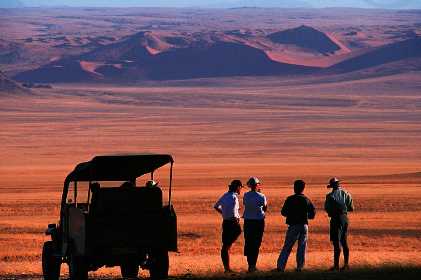
From the towering dunes of the Namibia Desert, which stretches for 1500 km along the Atlantic Coast, to the endless white plans of Etosha, Namibia’s vast open spaces lie at the heart of an amazing travel experience.


01-namibia-jeeps_30453_600x450FOUR TIMES THE size of Great Britain and with a population of just over two million, Namibia is one of the most sparsely populated countries in the world. And while assuring visitors plenty of elbow room, the country’s vast open spaces lie at the heart of an amazing travel experience that is unlike any other.
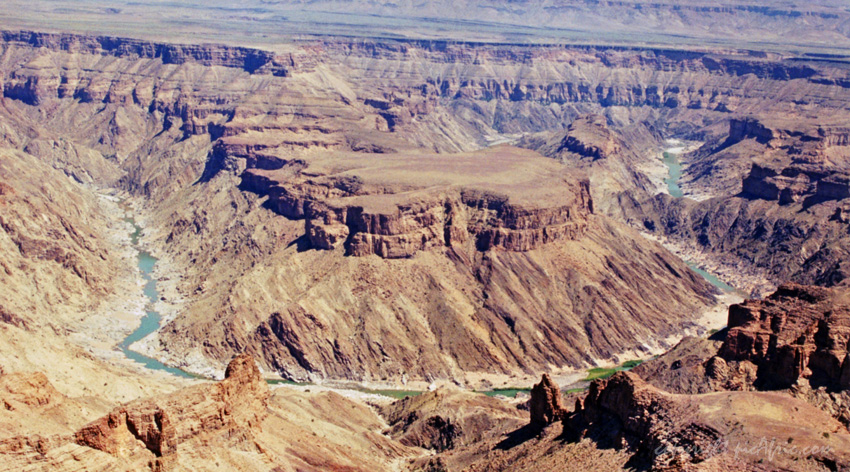
From the towering dunes of the Namib Desert which stretches for 1500 km along the Atlantic Coast, to the endless white plains of Etosha, one of Africa’s largest wildlife sanctuaries, Namibia unfolds a kaleidoscope of magical landscapes, unchanged with the passage of time. In the south, the Fish River Canyon is perhaps the continent’s most awe-inspiring sight, while the rough seascape of the Skeleton Coast, littered with shipwrecks and bleached whale bones presents one of the most surreal experiences on the planet.

Scattered into the mix are charming German colonial towns which sit anachronistically at the edge of the desert; abandoned mining outposts half swallowed by sands; and nomadic settlements where tribes lead lives not very differently from their ancient ancestors whose rock engravings in the valleys of Twyfelfontein are now a UNESCO World Heritage Site.
\
guide
Despite the long distances, Namibia’s attractions are easily accessible thanks to its highly developed tourism infrastructure. World class tour operators offer a variety of well organized 4X4 road safaris, camping tours and treks to suit every taste and budget, with itineraries extending from 3 to 18 days. Accommodation options range from 5 star luxury resorts to eco - friendly campsites where the adventurous can sleep under starry African skies.

Namibia’s centrally located capital Windhoek is the ideal base for exploring the vastness of country. Though many of the city’s major landmarks such as Christuskirche and Tintenpalast (Parliament Building) hark back to Namibia’s days as a German colony when it was known as German Southwest Africa, Windhoek also boasts plenty of modern architecture and is known for its remarkable cleanliness. The Windhoek Country Club built in 1995 to host that year’s Miss Universe pageant offers superior lodgings and excellent service along with a casino and 18-hole golf course.

South to Sossusvlei

Thorn_Tree_Sossusvlei_Namib_Desert_Namibia_Luca_Galuzzi_2004
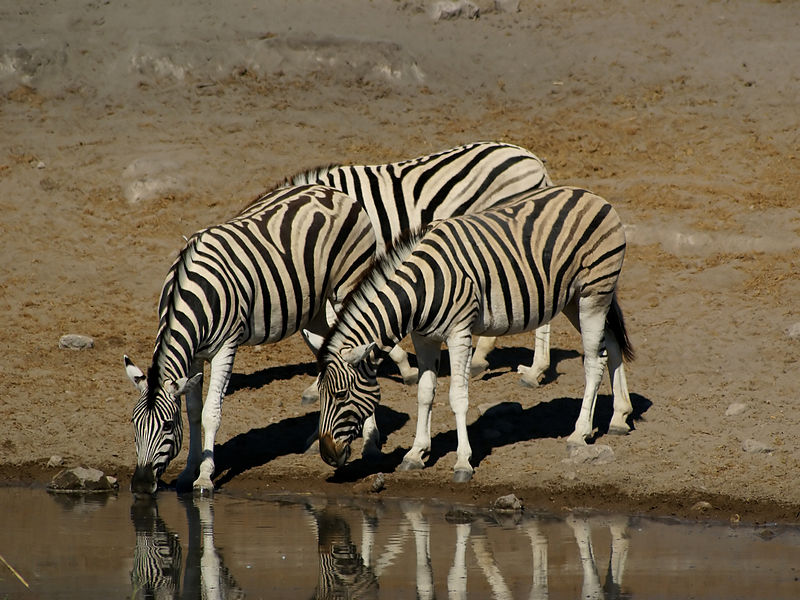
Driving south to Sossusvlei brings a taste of the dramatic landscapes that are the hallmark of the Namibian road trip. Just after the town of Reheboth, the gravel road decends into a starkly beautiful wilderness where grassy plains and low hills stretch out in every direction for as far as the eye can see. Passing by herds of mountain zebra, solitary Oryx and the occasional vehicle, the 375 km gravel route to Sossusvlei can be covered in 5 hours - with the immense dimensions of the remote landscape giving the journey a dreamlike feel.

The visually stunning Sossusvlei pan is the most visited part of the Namib Desert. Formed over millions of years when the course of the Taschaub River was smothered by shifting sands, the dried out pan is surrounded by the world’s tallest dunes which rise up to a staggering 450 metres above the ground. Sossusvlei is part of the Namib-Naukluft National Park and a couple of night’s stay in the area is recommended to better appreciate the grandeur of the world’s oldest desert.

Sossusvlei Lodge, billed as the ‘Gateway to the Namib’ is located not far from the park entrance and offers luxury accommodation that blends perfectly into its desert surrounds. Along with alfresco dining to views of springbok and ostrich drinking at the floodlit watering hole, it is a place to enjoy glorious sunsets and perfect solitude.

800px-Equus_burchelli_4
The best time to visit the Sossusvlei pan is at dawn when the dunes seem to glow and change colours through shades of deep orange and red as the sun begins its ascent. Those climbing to the top of Dune 45 are further rewarded with sweeping all round views of a sea of massive, crescent-shaped dunes that extend all the way to the horizon, It is a truly magnificent sight that evokes the sheer power of nature, amidst the deafening silence that pervades the scene.

Nearby, the white clay pan of Deadvlei presents a ghostly spectacle. Surrounded by major dunes, the basin resembles a lunar landscape in which the blackened skeletons of ancient camelthorn trees stand starkly against the white clay, their branches reaching out eerily to the sky. Another major attraction in the area is the narrow Sesirem Canyon whose Afrikaans name refers to the six Oryx skin belts that pioneers had to use to lower buckets to the pools below.

fish-river-canyon_namibia
Though there are some good hiking trails in Sesirem as well as the adjoining Naukluft mountains, the country’s top hiking destination is the Fish River Canyon which lies much further to the south. The most popular camping and hiking trail here is a 4 day; 85 km expedition through the world’s second largest canyon that ends at the Ai-Ais hot springs. Shorter and less daunting hikes are also available, as are mule safaris in which all backpacks and equipment are transported by a team of mules.


Atlantic Coast

namibia
It’s another 350 km from Sossusvlei to the coastal resort of Swakopmund. After a brief stop at the town of Solitaire, which comprises mainly a petrol pump and a general store, the road heads north over the Naukluft Mountains, soon crossing the sign that marks the Tropic of Capricorn. At a secret desert location near here crews have been filming Mad Max: Road Fury, the latest edition of the Mad Max franchise.

Arriving at the Atlantic Ocean after days in the outback, Swakopmund paints a pretty picture. The town’s colonial origins are quite evident in the traditional German buildings dating from the early 1900s, with names such as Hohenzollern Haus and Altes Amtsgericht. On the palm-lined seaside promenade, along with the historic former lighthouse there are many cafes and art galleries, and restaurants serving the freshest seafood. Off season the town bears a near-deserted look, making it a great place to stay a few days to soak in the delightful ambience. Although Swakopmund is known for its old world charm, the town is also the extreme sports capital of Namibia. The action lies in the surrounding desert where professional adventure companies offer a host adrenaline fuelled activities such as skydiving, parasailing, quadbiking and sandboarding. Also on offer from nearby Walvis Bay are dolphin cruises   which include a visit to Cape Cross where tens of thousands of seals gather in boisterous colonies.

Namibia is a country of amazing contrasts and adventure lovers are truly spoiled for choice here. From watching lions in the wildlife-rich Etosha National Park, to exploring the basalt valleys of Damaraland and the thick woodlands of Kavango, there is a lot more to be discovered. But wherever you choose to go, you are assured to have a series of powerful, soul-lifting experiences that will remain etched in the mind forever; and will make you want to return to Namibia -Land of the Brave.

Visit us at, www.adler-tours.com 

Sunday, July 14, 2013

Paradise by the Sea: Bintan (Indonesia)


bintanBintan Island or Negeri Segantang, the largest of 3,200 islands in Riau Archipelago and the third largest of the 27 provinces in Indonesia, is an idyllic retreat offering a wide range of activities. The Island, with an area of approximately 1,140 sq kms and a 105-km-long coastline, is a popular beach destination. The charm and aura of Bintan, primarily a resort island, leaves a lasting impression on the minds of high-end travellers wanting to have a good time with family. The island also attracts Conference and Incentive groups.
A short-haul destination for Indian travellers, Bintan can be accessed from Singapore. Indian visitors can combine their city holidays in Singapore with Bintan as a two to three nights  extension. There is a regular ferry service operated by Bintan Resorts Ferries (BRF) that plies between Tanah Merah Ferry Terminal, Singapore and Bandar Bentan Telani Ferry Terminal, Bintan Resorts. The duration of travel is 55 minutes.
A niche destination as far as the Indian leisure traveller is concerned, Bintan offers a wide range of activities. While the Indian traffic to Bintan has been dominated by the FIT, honeymooners and family segments, there has been a marked increase in Incentive travel groups, corporate meetings and special interest Indian visitors (weddings and religious groups). Bintan has fantastic facilities to lure MICE and Wedding segments.
Bintan_Water_Sports_Bintan_IndonesiaThe Northern Coast of the island is often referred to as Bintan Resorts, a consortium of five independently-owned and operated beach resorts, four designer golf courses, as well as a range of recreational facilities and attractions like spa, golf, water sports, shopping etc. The resorts include Angasana Bintan, Banyan Tree Bintan, Bintan Lagoon Resort, Bintan Lodge, Club Med Bintan Island, Nirwana Gardens and Ria Golf Lodge. These are among the big resorts on the island. For those who like to spike up the holiday with a bit of adrenalin rush, Bintan Resorts offers all-terrain vehicle rides through the challenging forest terrain.
Located within minutes of Bandar Bentan Telani Ferry Terminal, and within easy reach of the resorts, are four magnificent championship courses designed by golf luminaries, Ian Baker-Finch, Jack Nicklaus, Greg Norman and Gary Player. Beautifully-crafted ornaments and display pieces, beach and swimwear, fashion apparel and accessories, and a host of other items are also available at the resort shops. Tourists can go resort-shop hopping, or explore Pasar Oleh Oleh and Kampoeng Lagoi Leisure Village. For a touch of authentic village life and shopping experience, one can take a day trip to the capital city of Riau Islands—Tanjung Pinang.

Day Trip to Afamosa - Malaysia

AFAMOSA DAY TRIP PACKAGE !!! Includes: Return transfers from Kuala               Lumpur Hotels*(10 am pick up 10 pm drop back) Entry to waterworld Enrty to Animal World Safari Buffet Lunch @ Lake View Restaurent.Internal Shuttle Service.
*terms & condistions apply
Adler Tours & SafarisWebsite:- www.adler-tours.com
adler-tours@hotmail.com

Bhutan – Land of the Thunder Dragon

MUST DO ACTIVITIES In BHUTAN

Orchid Trek

The Orchid Trek Route is inside the Bumdelling Wildlife Sanctuary which is located in the North-east of Bhutan in the Eastern Himalayas. It
is approximately 28 kilometer long connecting Rigsum gompa, Peri Gompa and Dechenphdrang. The best time to trek would be during spring, autumn and winter.
The reason for developing such trail is, it not only connects the two historical and cultural sites, Risum Goenpa and Dechen Phodrang but it serves as access route to other villages for transportation of agricultural and livestock products to the market. Annually more than thousand of devotees from all across the country visit these   two cultural sites. Apart from the cultural aspects,
the route also provides wide range of opportunities for the birders, nature lovers’ tourists and plant enthusiast groups.

Bumdelling Wildlife Sanctuary

Bumdelling Wildlife Sanctuary is located in north-eastern part of Bhutan covering an area of 1,545 sq. km with 420 sq. km of buffer zone encompassing parts of Trashi Yangtse, Lhuntshe, and Monggar district.
Bumdelling Wildlife Sanctuary is also a paradise for butterflies: as of now 130 species have been recorded and another 120 are expected to inhabit this area. The very rare Ludlow’s Bhutan Swallowtail is found here. The sanctuary is home to around 100 species of mammals, including globally endangered species such as snow leopard, Royal Bengal tiger and red panda.

Trek to Bumdelling Wildlife Sanctuary

Bumdelling Wildlife Sanctuary is located in the Northeastern part of Bhutan in the Eastern Himalayas. Bumdelling Wildlife Sanctuary also has numerous historical and cultural sites.
The sanctuary is home to around 100 species of mammals and 296 species of birds. There are certain charismatic, keystone and globally endangered species of mammals in Bumdelling Wildlife Sanctuary such as Snow leopard, Bengal tiger, and Red panda, and Capped Langur (Common). The sanctuary has a rich floristic diversity comprising   650 species   of   vascular   plants
including the totally protected species of Bhutan such as the blue poppy (Bhutan’s national flower), Himalayan yew and Chinese caterpillar.

DID YOU KNOW? (About BHUTAN)

Trashi Yangtse is known for the excellent wooden cups and bowls made here from avocado and maple wood using water-driven and treadle lathes. It is also a centre of paper making. They use the tsasho technique with a bamboo frame, which produces a distinctive pattern on the paper.
Mask Dances are an integral part of Bhutanese culture. There are hundreds of different dances each with their own special meanings and stories. Many date   back hundreds   of
years and visitors can view these spectacular dances at annual Tshechus (Annual Religious Festivals) that take place throughout the country.
Traditional Bhutanese eating habits are simple and in general, food is eaten with hands. Family members eat while sitting cross legged on the wooden floor with food first being served to the head of the household first.
 Visit us at, www.adler-tours.com

Highlights of South Africa Departures Seat-In-Coach Tour

09 Nights / 10 Days Per Person in Double/Twin Sharing :  INR 93,185/- Single Supplement :  INR 24,550/- Price Per Child (under 12y...